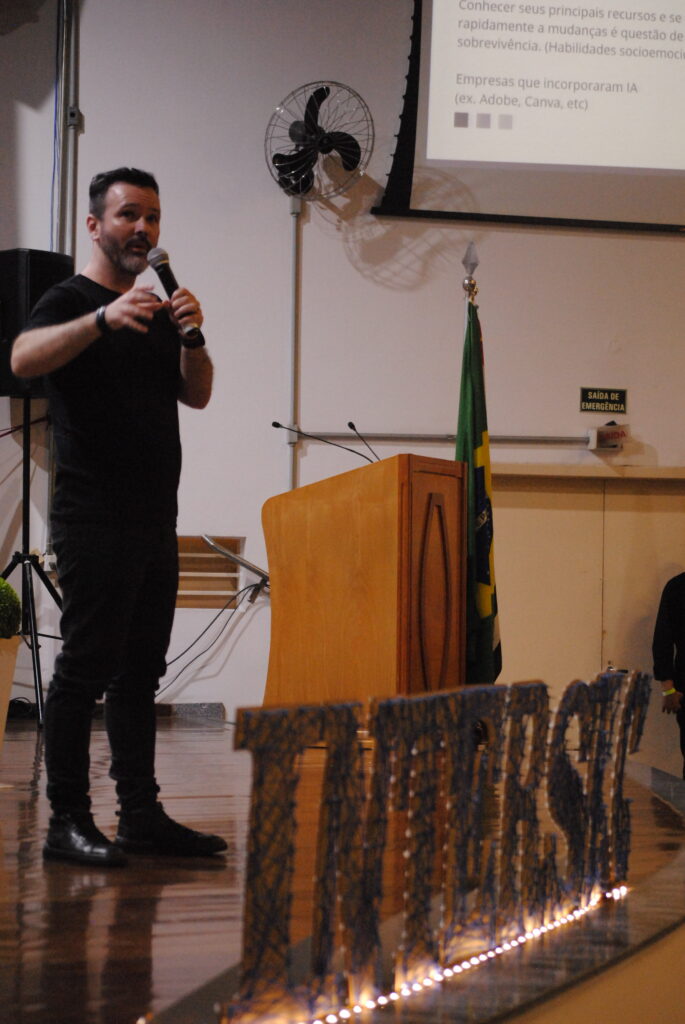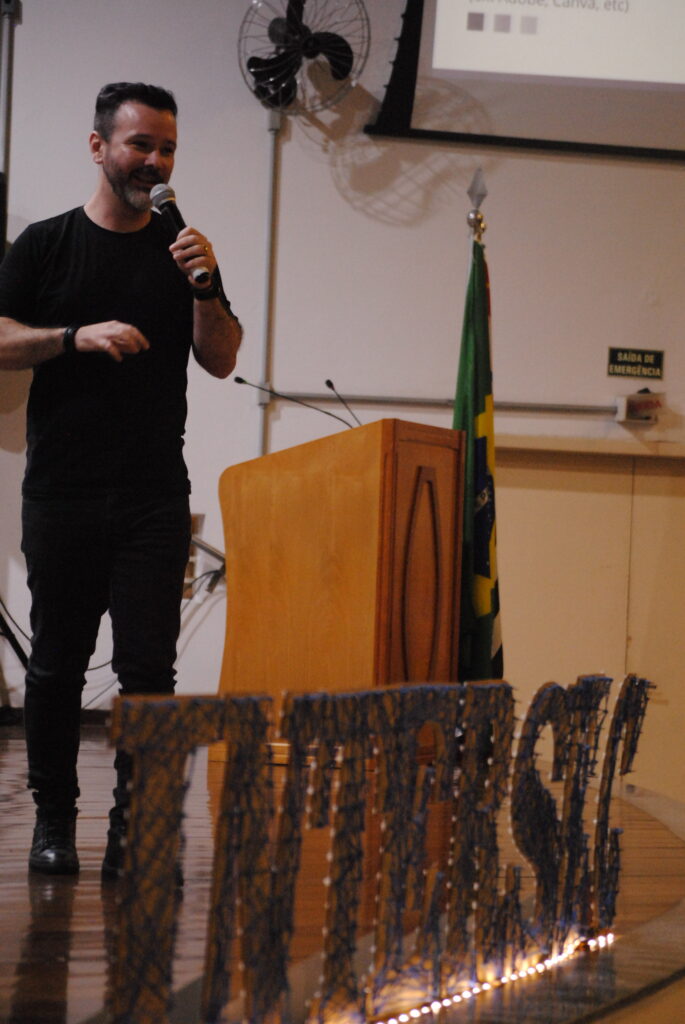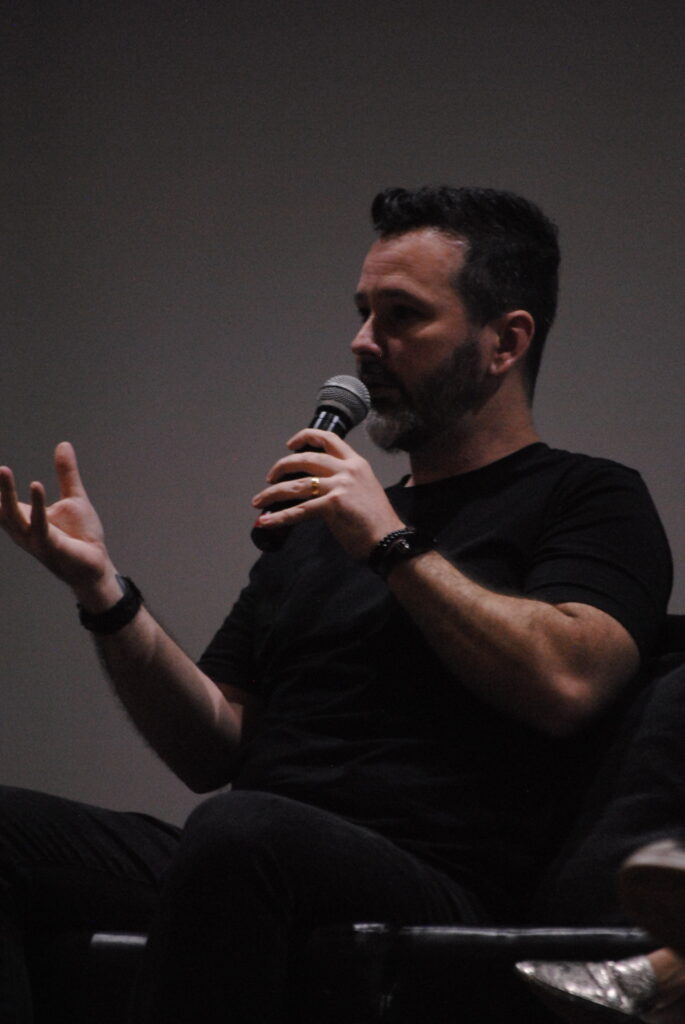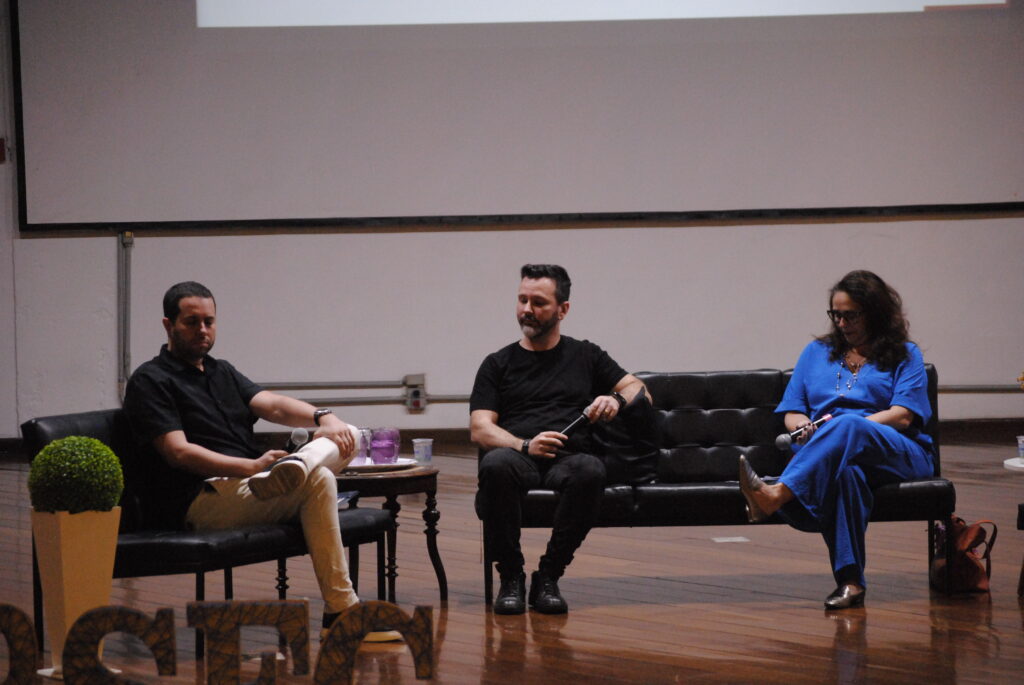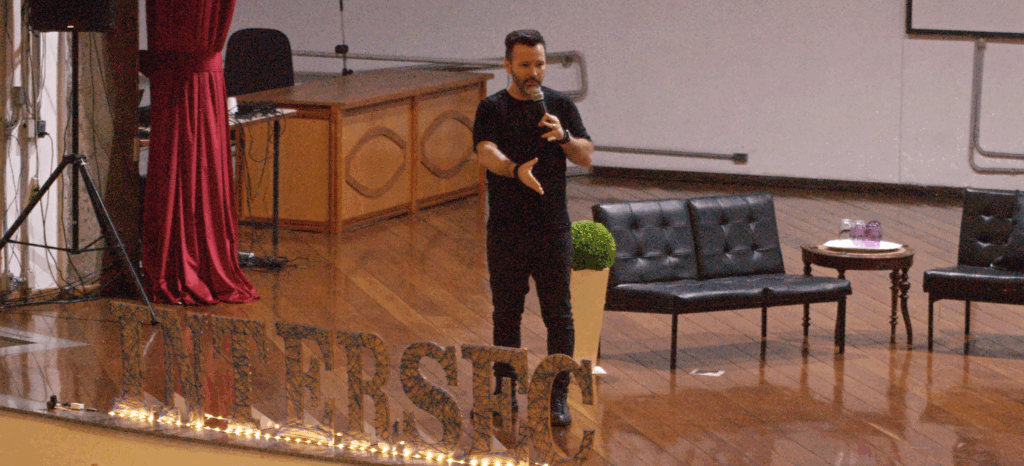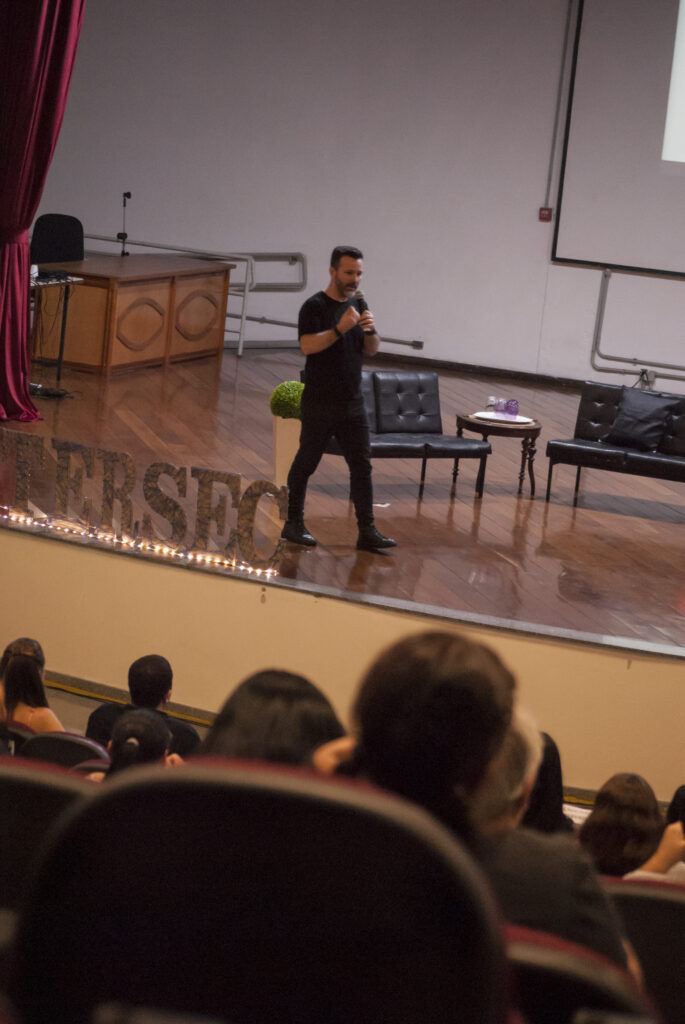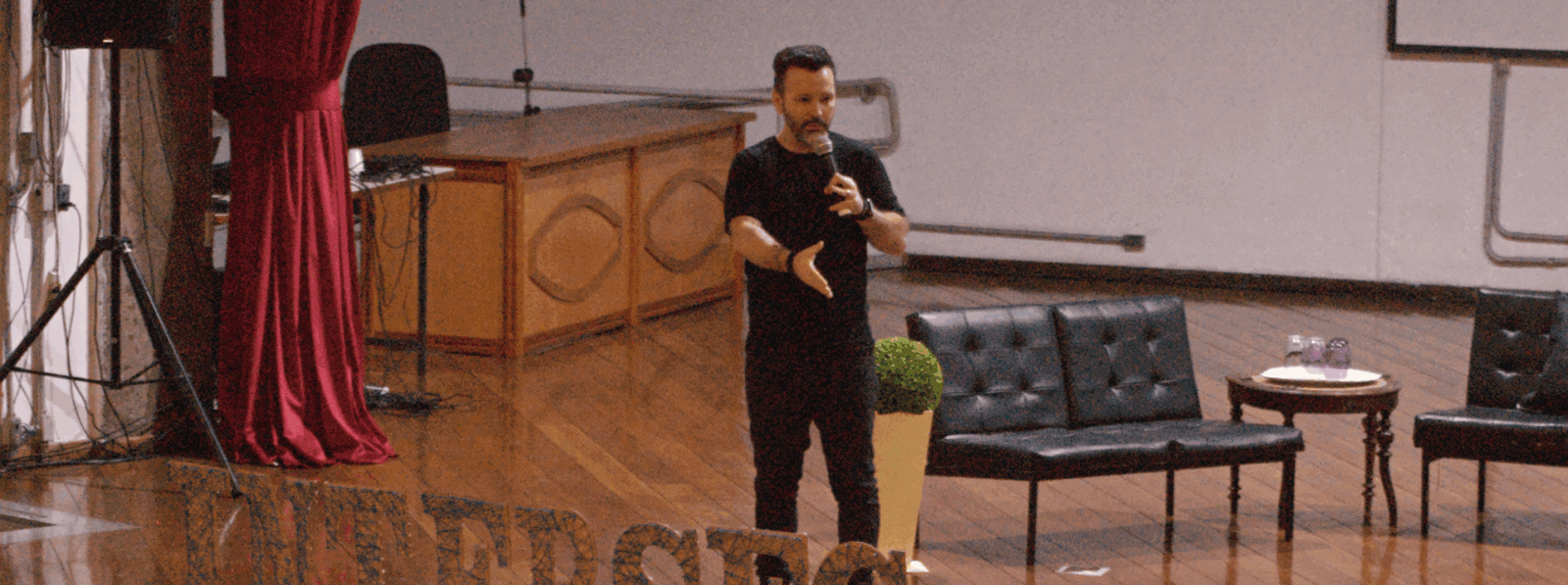

I recently had the great honor of being the opening speaker at the Intersec event, hosted by the excellent Secretarial program at Fatec São Paulo. The central theme was "The Secretarial Professional of the Future." Although I am not an expert in the secretarial field itself, the invitation to speak about technology — one of my favorite topics — was incredibly gratifying.
The Talk: Finding Balance in Adopting New Technologies
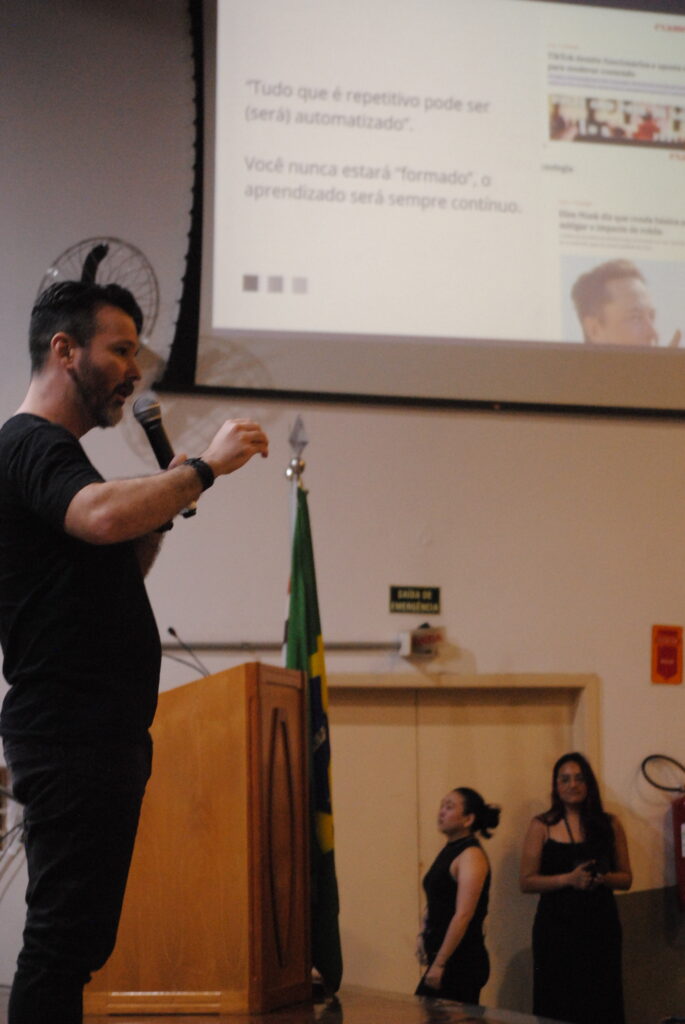
My talk, titled "Which technology is better?" , aimed to provoke reflection on our relationship with our work tools. I began by reminding the audience that technology isn't just "digital technology" ; it's any process or instrument that helps us solve problems, from an efficient squeegee to an AI software.
A central point I emphasized is that generations of technology coexist and do not always immediately replace each other. Often, the anxiety to be at the forefront of the "Technology Adoption Curve" (the new adopters or "Early Adopters" ) can lead to unnecessary costs and even a loss of productivity. I used the recent case of Sweden as an example, which decided to reinvest in physical books after a decade of massive digitization in schools . This proves that "new" doesn't always mean "better" for every context.
The message I aimed to convey was the search for balance: it is vital to set aside weekly time to research and test new technologies that can optimize our work functions, but without letting this constant search disrupt daily productivity. And, above all, having the wisdom to accept that not every previous tool needs an immediate upgrade.
The Panel: The Future We Don't (Yet) Know
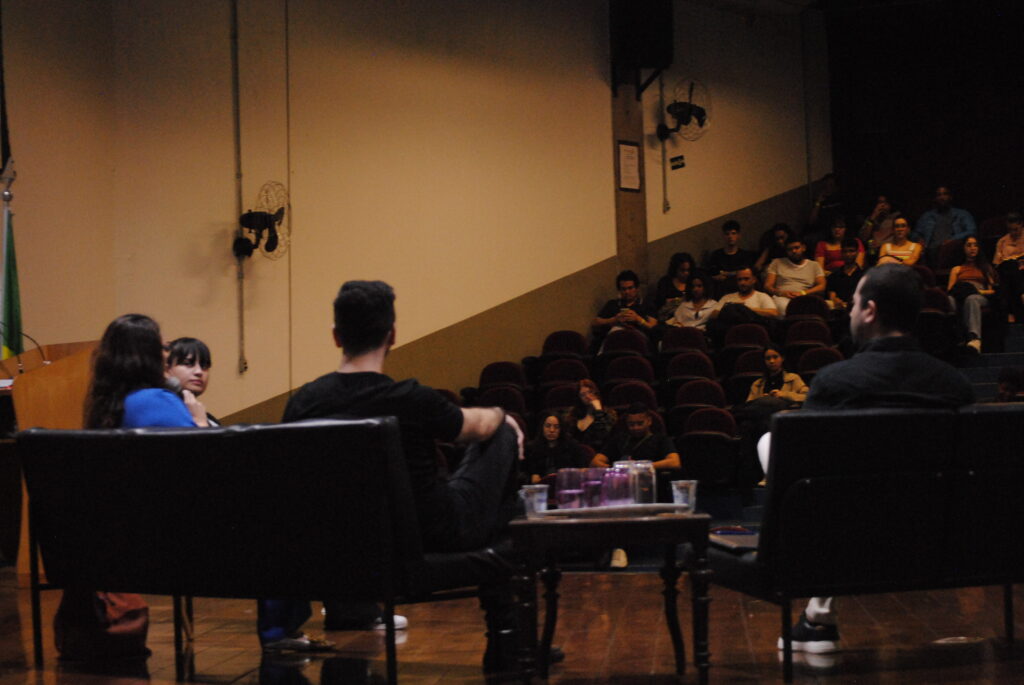
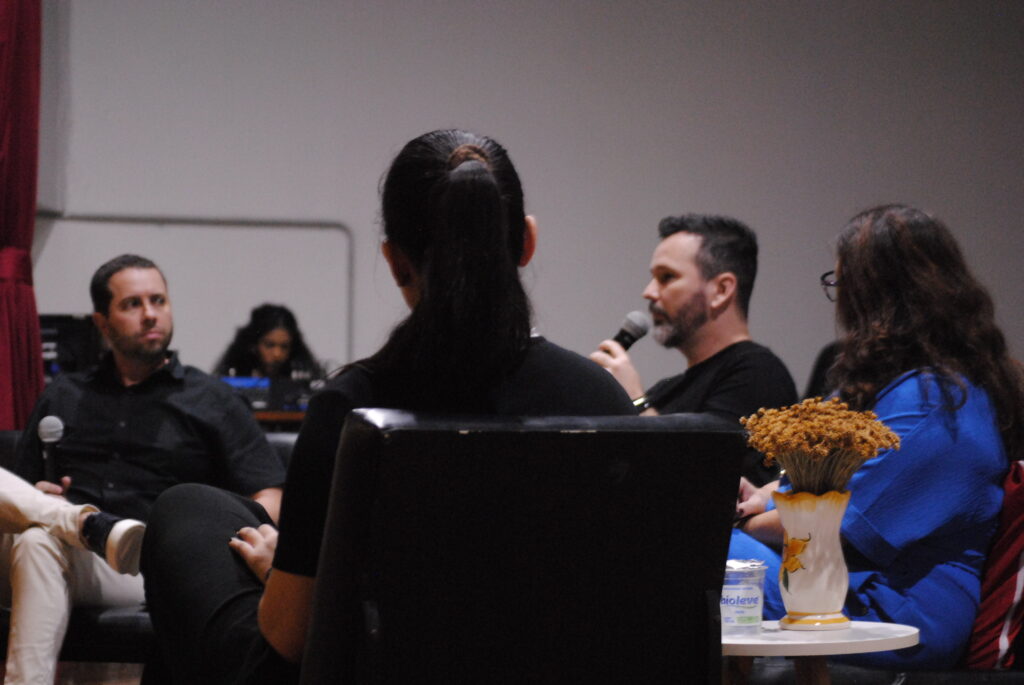
After the talk, I participated in a rich panel discussion with other specialists about the future of the secretarial profession. The viewpoints were diverse, but my answer diverged slightly from the rest.
I was the only one to openly admit that I do not know what the future holds for, frankly, any profession. Obviously, we see clear trends: everything that is repetitive can and will be automated, as my own presentation slides showed. I firmly believe that new professions we can't even imagine today will emerge, and that existing roles (like secretarial) will evolve to absorb new, more complex responsibilities, demanding continuous learning .
However, I stated that I refuse to make overly strong assertions, such as guaranteeing that any profession, regardless of which one, will "NEVER" cease to exist. The world is fluid. The professional of the future—whether in secretarial work, design, or communication—will be defined by their capacity for adaptation and constant learning, not by the immutability of their job functions.
I left the event with a much broader view of the Secretarial field and with new provocations about how we are all navigating this digital revolution.