

In 2019, the audiovisual landscape was on the verge of a shift toward immersion. It was during this period that I dove deep into 360º video production with VR integration.
At the time, I took a calculated risk and invested in an Insta360 camera. Today, the brand is a market leader, but back then, it was virtually unknown in Brazil. I was among the first in the country to import this technology and produce professional content with it. The selling point was its ability to deliver 5.7k resolution—a revolutionary spec at a time when even standard 4k was considered a luxury in many workflows.
I explored this technology exhaustively, ranging from immersive video clips to virtual tours for Google Maps.
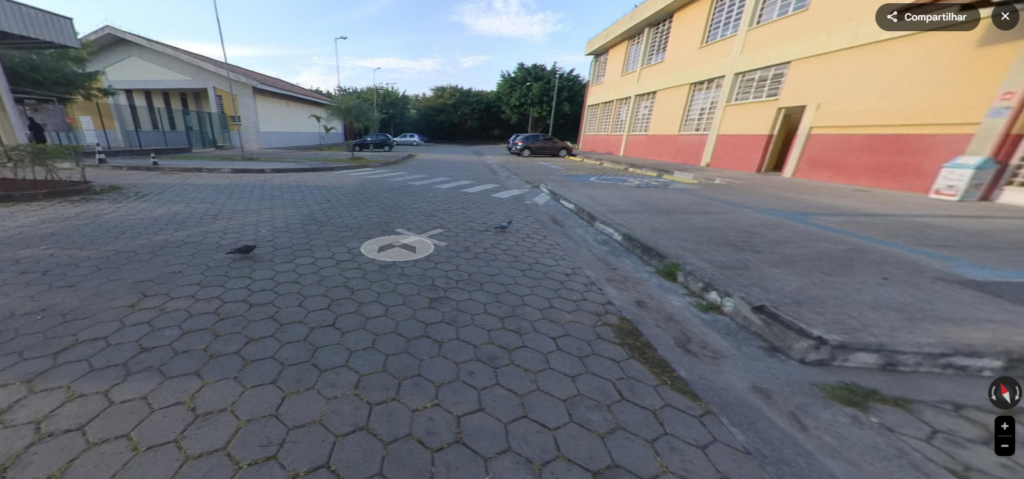
A prime example of this work remains active today. I produced a complete virtual tour for Etec Carapicuíba, the school where I teach. This was a pro-bono project; I donated my time and equipment knowing the institution lacked the financial resources for such a capture, yet deserved the technological visibility.
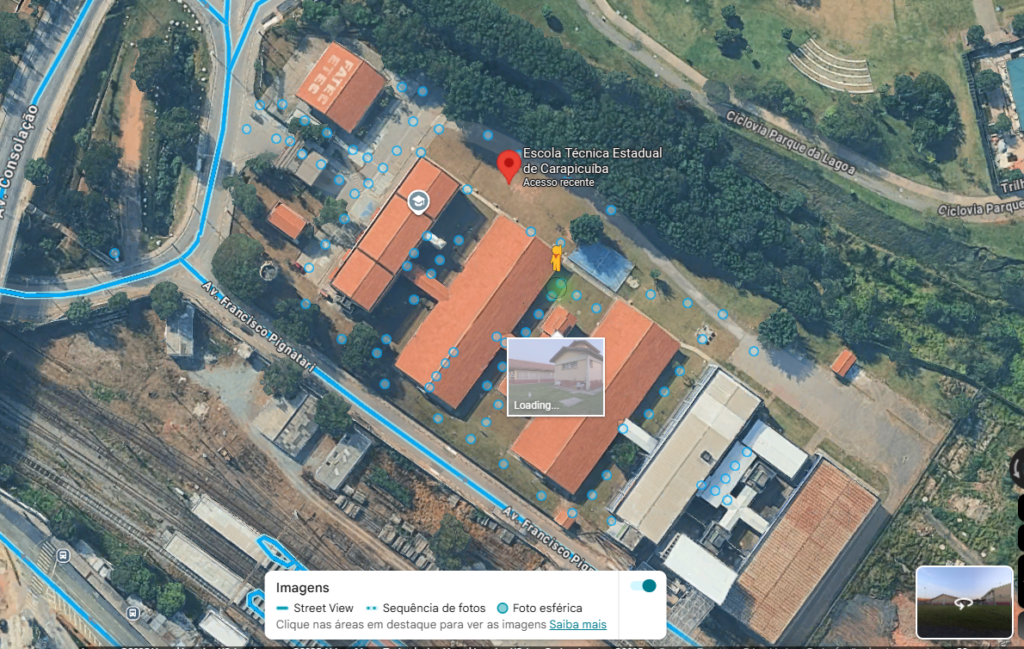
Simply access Google Maps and drag the Pegman icon onto the map to navigate through the Etec Carapicuíba campus. I have produced similar 360º tours for other companies, but I cannot disclose them due to contractual obligations.
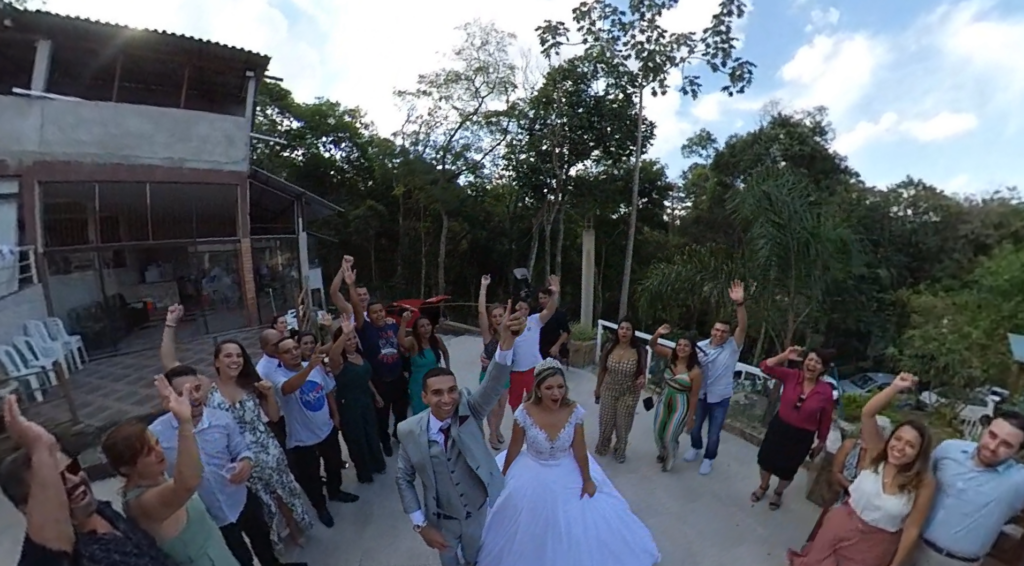
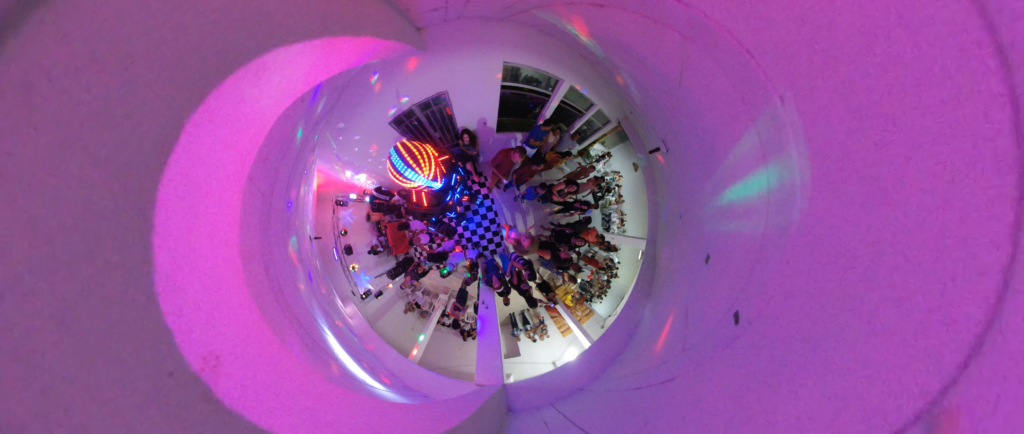
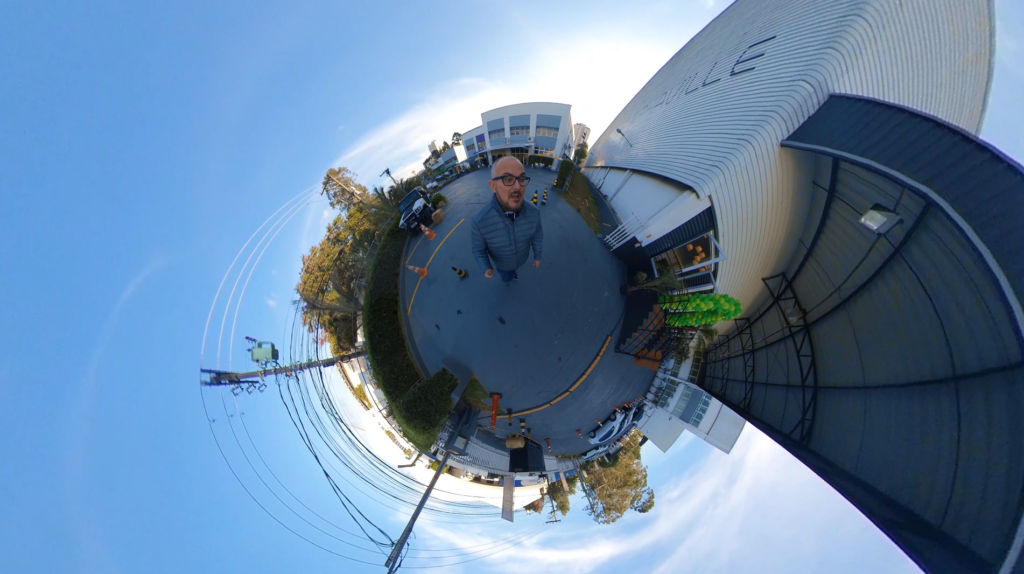
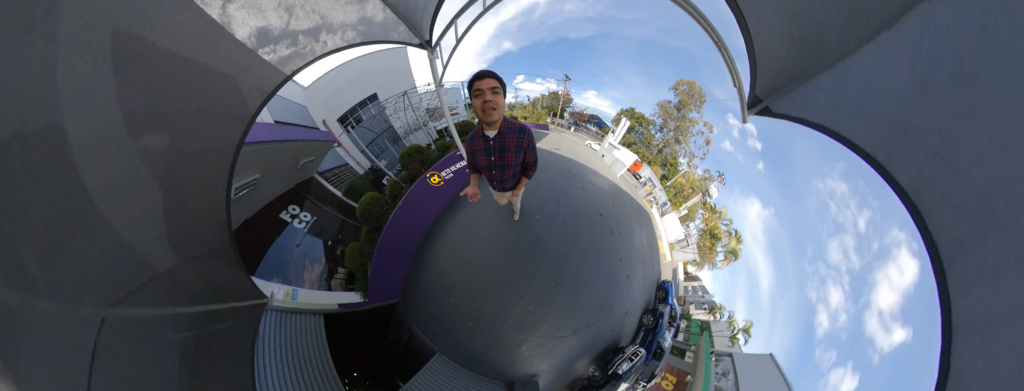
When I say I tested the limits of this camera, I am not exaggerating. My portfolio from this era is diverse: weddings, corporate events, music videos, and birthday parties—all captured in 360º.
However, much of this material remained in the "vault." Some projects were bound by copyright to the agencies I serviced; others were delivered but never received the promotion they deserved from the clients.
And then, there are the "lost projects."
For instance, I once filmed an entire series for a martial arts academy. I captured intense sparring sessions across various disciplines. Due to contractual nuances, these files were never delivered and never even made it to my personal portfolio.
Until now. exclusively for this blog, I am opening the archives to show some prints and clips from these sessions.
The question remains: Why did I stop?
The answer lies in the intersection of economics and workflow logistics.
The primary catalyst was the pandemic. Like many, I sold some equipment anticipating a quick upgrade once the crisis "passed." I did not, however, foresee the catastrophic spike of the US Dollar against the Brazilian Real. The cost to re-enter the high-end 360º market became prohibitive, and without immediate projects to justify the investment, I pivoted.
Furthermore, the "invisible cost" of 360º production was the workflow. In 2019, processing 5.7k spherical video was a heavy burden on hardware. A video of just a few minutes resulted in gigabytes of data. The martial arts project alone sits on my hard drive, weighing in at over 100GB. Managing that storage and rendering time was a significant bottleneck.
Revisiting these files today is tempting. The technology has matured, and workflows are smoother. While immersive content isn't my current priority, the door isn't closed. If a project with the right budget and creative challenge arises, I am more than ready to step back into the sphere.