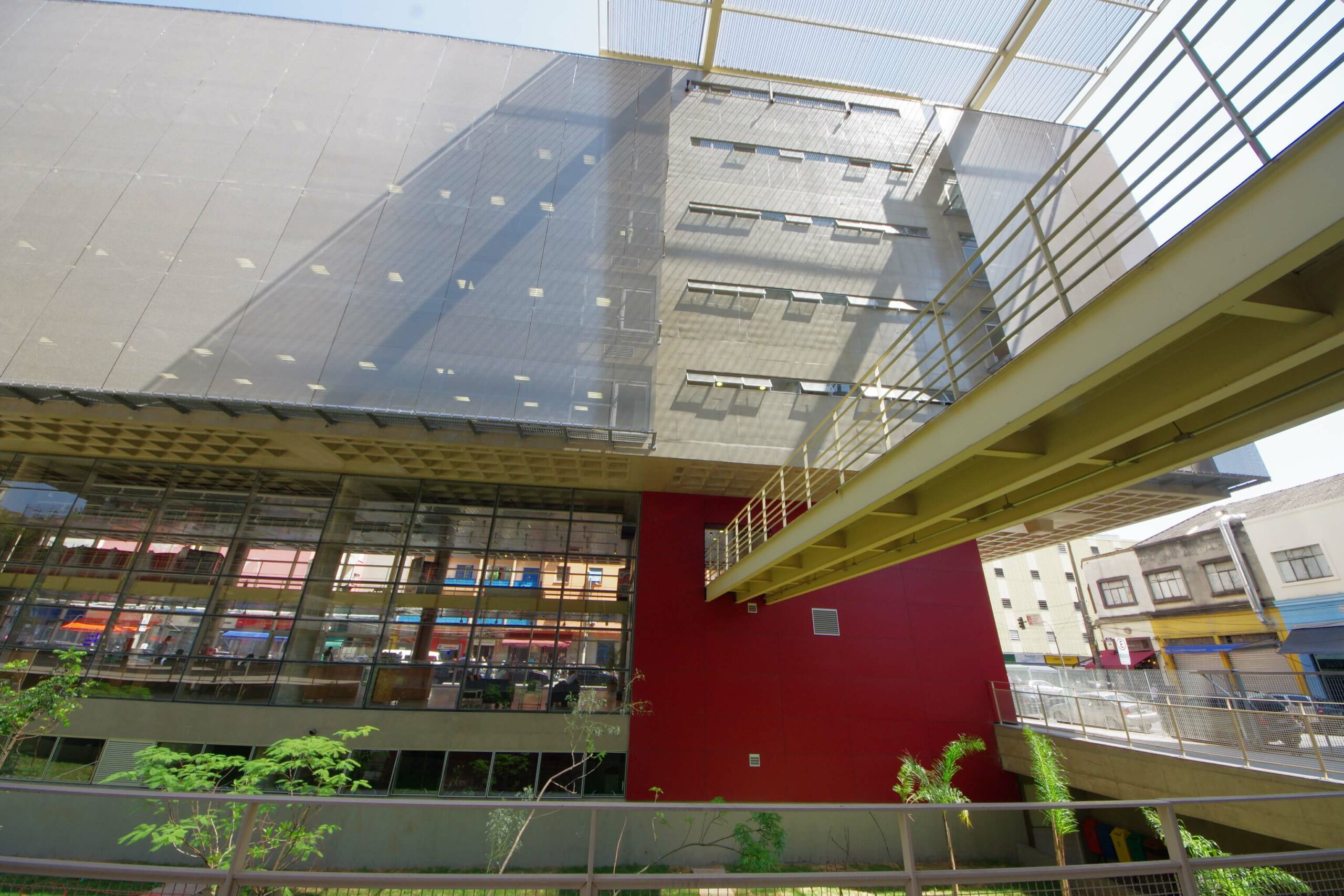

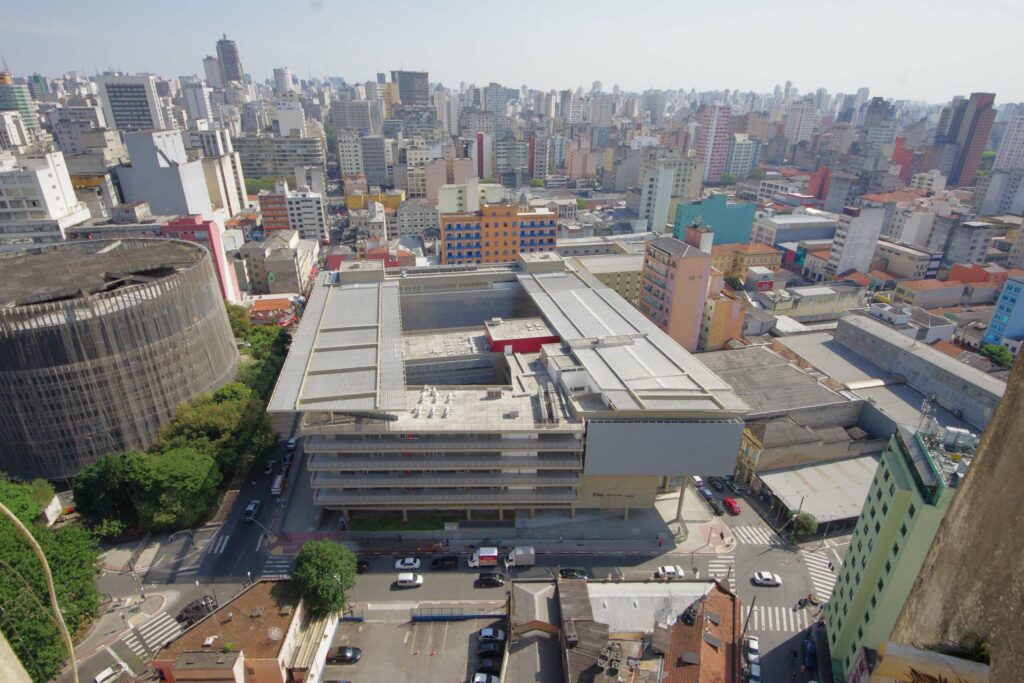
In late 2021, as Brazil was cautiously emerging from the pandemic into a hybrid work model, I took on a role as a Project Coordinator at the Central Administration of Centro Paula Souza (CPS).
To understand the scope of this challenge, one must first understand the scale of CPS. It is the largest technology-focused public educational institution in Latin America, with over 316,000 students enrolled in technical and higher education across more than 300 cities in the state of São Paulo.
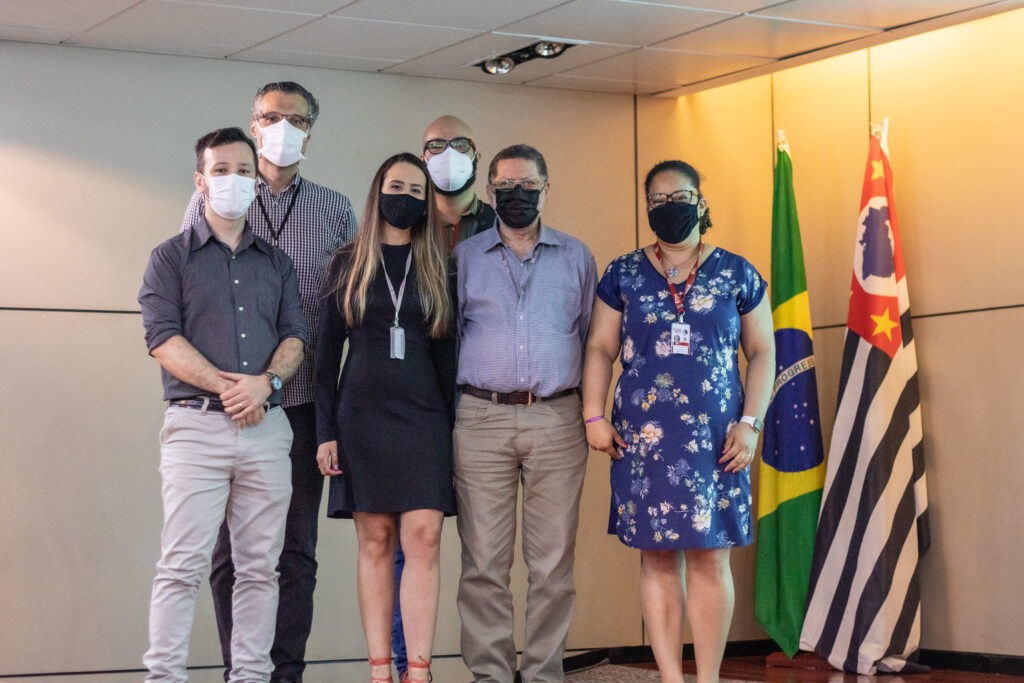
I was part of the Human Resources Unit (URH), a team of five coordinators with complementary skills, reporting to Vicente Mellone Junior, a deeply knowledgeable professional I quickly came to admire.
My primary mission was to produce instructional and internal communication materials. The challenge? The topics were complex, "dry," and legally dense. We had to communicate procedures on payroll, benefits, career progression, and health attestations. Every piece of content was based on state and federal laws, regulations, and statutes.
My proposed solution was to pioneer a more robust video communication strategy, which brought two immediate challenges.
1. The "Boring Content" Problem How do you make legally-mandated information accessible and engaging? We had to translate dense bureaucratic language into direct, clear, and human-centered video content.
2. The "Media Training" Problem My strategy involved using the institution's own subject-matter experts—the people who truly knew the processes. However, these were public servants, not media personalities. They could explain a complex process flawlessly in a meeting, but would often freeze the moment I hit "record." This is a common phenomenon, and overcoming it required building trust, coaching, and creating a comfortable environment.
The Impact: Humanizing the Institution
This project became about more than just efficiency; it became about humanization.
For decades, many of these servers were known to the institution only by their names and signatures on emails, memos, and instructional documents. By featuring them on video, we gave a face and a voice to the administration. We made the central office more accessible to the entire, sprawling network of schools.
This was critical. In a state-run entity of this size, standardizing communication is essential. A procedure must arrive at a campus hundreds of kilometers away with the same clarity as the campus next door. Video allowed us to bridge that gap.
I had the opportunity to record everyone from high-level institutional leaders (work often previously outsourced to third-party companies) to conventional staff, democratizing the production of high-quality, objective communication.
The Legacy
Today, when I look at CPS's current administration, I am proud to see that video is now a common, almost daily tool for internal communication. I believe, in my own way, I helped plant the seed for a more organic and less bureaucratic video production culture.
During my time, I contributed to over 10 major communication campaigns and countless other projects, from event coverage to institutional portraits for the entire URH staff.
One of the projects I am most proud of collaborating on was the New Employee Onboarding Course. I prepared numerous materials for this, from training videos to animations, designed to help new servers understand the complexities of their new roles. I unfortunately had to leave before the course's official launch, but I know my materials were used in the program, which has since received public recognition for its quality.
So, why did I leave?
In August 2022, I was approved to begin as a professor at Fatec (a branch of CPS's higher education). This new role was incompatible with my coordinator position, especially as the administration returned to 100% in-person work. I had to choose, and in early 2023, I chose to return full-time to my first passion: the classroom.
It was an intense period of immense learning and navigating profound challenges. The inner workings of a public education system are a vast and fascinating topic, which I may explore in another post.